



Triumph at Palazzo Citterio: Why the Milanese Public Won’t Let the Uzbek Pavilion Go
Uzbekistan
Uzbekistan’s first national pavilion at Milan Design Week 2026, titled “When the Apricot Blossoms,” has created a major sensation, drawing over 25,000 visitors and earning the prestigious Special Mention – Media Partners award. The center-piece of the exposition—the deconstructed “Garden Pavilion” yurt—so captivated the professional community and the public alike that organizers decided to extend its stay at the historic Palazzo Citterio until the end of July 2026. This project is far more than just an exhibition; it is a profound ecological manifesto that will soon find a second life in Nukus.

The decision to extend the Garden Pavilion was made by the Art and Culture Development Foundation of Uzbekistan (ACDF) in collaboration with Pinacoteca di Brera. Until the end of July, the pavilion in the heart of Milan will continue to serve as an open platform for lectures, discussions, and workshops, fostering a global dialogue on design and cultural practices. Following its Italian tenure, the structure will be transported to Nukus, where it will become a functional element of the Creative Park aimed at developing the region’s creative infrastructure.
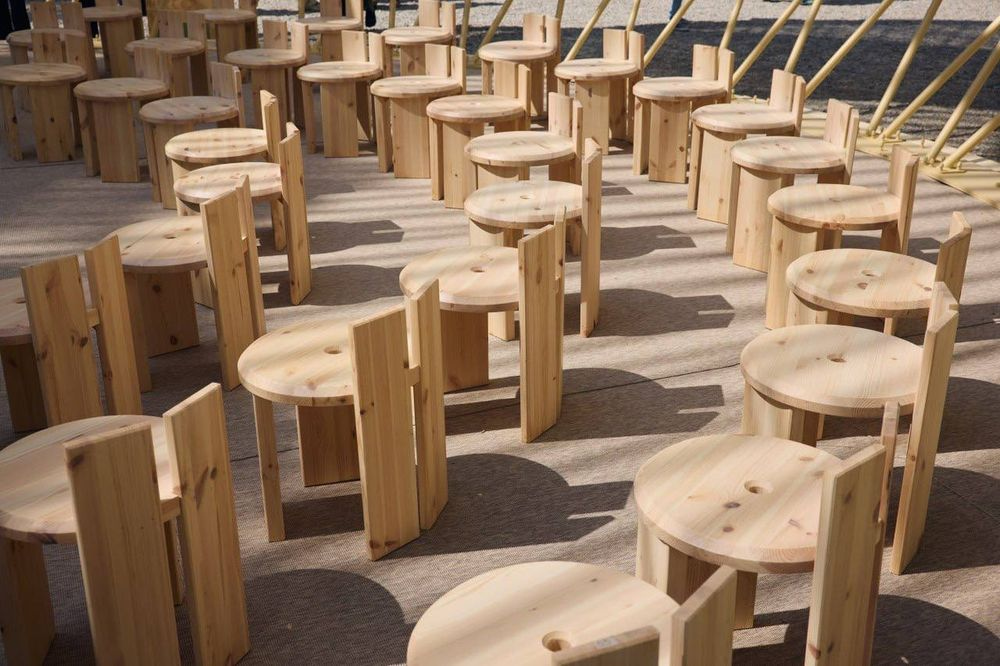
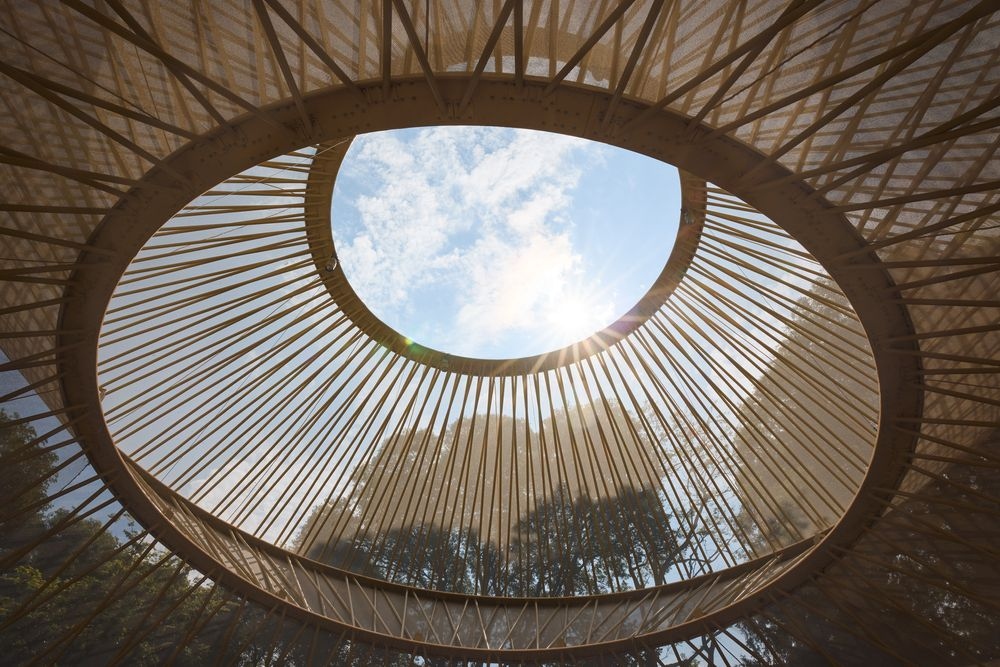
Architect Kulapat Yantrasast (WHY Architecture) reimagined the traditional yurt as one of the most “honest architectural objects,” capable of holding not just space, but profound meaning. In his interpretation, the yurt transformed into a lightweight metal lattice frame draped in a translucent membrane. The concept “unfolds” the nomadic world, emphasizing “absence”—the absence of water, shorelines, and an entire way of life—a direct reference to the Aral Sea environmental tragedy. Set within the 18th-century gardens of Palazzo Citterio, the pavilion created a unique contrast between historical European architecture and the mobile aesthetics of Karakalpakstan.
Established in 2017, the ACDF has utilized this project to fulfill its mission of promoting Uzbekistan’s cultural code on the world stage. The exhibition is part of the Foundation’s larger strategy to transform the Aral Sea region through art and science (the Aral Cultural Summit). In 2026, the Foundation's activities will reach their peak: beyond the Milan success, the opening of the Center for Contemporary Art in Tashkent and participation in Expo 2025 in Osaka are planned. The Garden Pavilion proved that Uzbekistan’s traditional craft practices, when viewed through a contemporary lens, are capable of setting trends in the world’s design capital.
Architect Kulapat Yantrasast (WHY Architecture) reimagined the traditional yurt as one of the most “honest architectural objects,” capable of holding not just space, but profound meaning. In his interpretation, the yurt transformed into a lightweight metal lattice frame draped in a translucent membrane. The concept “unfolds” the nomadic world, emphasizing “absence”—the absence of water, shorelines, and an entire way of life—a direct reference to the Aral Sea environmental tragedy. Set within the 18th-century gardens of Palazzo Citterio, the pavilion created a unique contrast between historical European architecture and the mobile aesthetics of Karakalpakstan.
Established in 2017, the ACDF has utilized this project to fulfill its mission of promoting Uzbekistan’s cultural code on the world stage. The exhibition is part of the Foundation’s larger strategy to transform the Aral Sea region through art and science (the Aral Cultural Summit). In 2026, the Foundation's activities will reach their peak: beyond the Milan success, the opening of the Center for Contemporary Art in Tashkent and participation in Expo 2025 in Osaka are planned. The Garden Pavilion proved that Uzbekistan’s traditional craft practices, when viewed through a contemporary lens, are capable of setting trends in the world’s design capital.
Powered by Froala Editor