

Additional opportunities to support youth initiatives have been identified
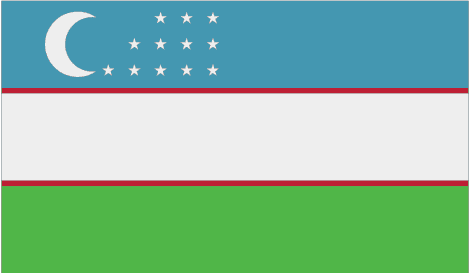
Uzbekistan
A large-scale dialogue between President Shavkat Mirziyoyev and youth was held at the Kuksaroy residence. More than 60,000 young people from Karakalpakstan, the regions and Tashkent participated through regional studio connections.

The President emphasized that more than 22 million young citizens of Uzbekistan represent a huge economic, social and political potential. Leaders at all levels were instructed to systematically work on teaching youth professions and languages, engaging them in sports, supporting startups and projects, and ensuring employment opportunities.
In recent years, Uzbek youth have achieved significant international academic success, winning 66 gold, 147 silver and 221 bronze medals at world scientific olympiads. More than 500 students study at leading global universities including Harvard, Yale, Princeton, Columbia and Cornell, while over 3,500 study at top-100 universities.
Sixty-three youth-created startups have entered markets in the United States, South Korea, the United Kingdom and the UAE. In sports, Uzbek athletes have won 720 gold, 671 silver and 854 bronze medals at international competitions. Young entrepreneurs now account for 35% of the country’s business community.
Uzbekistan has been recognized as one of the fastest developing countries in the Global Youth Development Index.
In 2026, the headquarters of the World Youth Peace Movement will be opened in Tashkent. Samarkand will host the 12th Global Youth Parliament Conference, the international startup summit “Take Off” and the 46th World Chess Olympiad.
Each year about 600,000 young people enter the labor market, and this number may reach 1 million by 2030. Creating employment opportunities that match youth interests and abilities is considered a priority.
An additional $200 million will be allocated to support youth entrepreneurship. Credit limits will be expanded: up to 300 million UZS for beginners, up to 2 billion UZS for business expansion, and up to 10 billion UZS for employers who hire at least five graduates. Innovative startups may receive investments up to $100,000.
The “Future Entrepreneur” program will provide 7-year loans at 15% annual interest. Youth business incubators will be established in regions to teach entrepreneurship, accounting, marketing and market access.
The “New Generation Entrepreneurs” program aims to train at least 40,000 young people. The best 1,000 participants may receive loans up to 200 million UZS at 7% interest.
The annual “Young Entrepreneurs” competition will be organized through the “Yoshlar Ventures” fund, supporting 100 projects to reach brand status.
Starting March 1, infrastructure connection costs for young entrepreneurs will be covered by the state youth entrepreneurship development fund.
International cooperation in education will expand. Technical college students will be able to work abroad for up to six months under the “Work and Travel” program.
More than 600,000 young people have obtained foreign language certificates. The number of private education centers exceeded 38,000, and 72,000 language instructors have been trained.
An Association of Private Education Centers will be created. Property owners leasing premises to member centers will be exempt from income and profit taxes on rental income. Education centers in remote areas will receive interest-free loans up to 300 million UZS.
Volunteerism will be further developed. More than 100,000 volunteers are currently active. A Volunteer Support Fund will be established, receiving 20 billion UZS annually from the state budget and 3 billion UZS from local budgets.
Support will also be provided for young families and reading promotion. For mortgage programs, interest rates above 14% will be compensated by the state.
Creative orders for writers will be introduced, paying 20 million UZS monthly for one year. A collection of 100 best literary works will be prepared for schools.
The “Second Chance” project will help youth returning from correctional institutions through 8–12 month intensive courses in programming, design and foreign languages.
In recent years, Uzbek youth have achieved significant international academic success, winning 66 gold, 147 silver and 221 bronze medals at world scientific olympiads. More than 500 students study at leading global universities including Harvard, Yale, Princeton, Columbia and Cornell, while over 3,500 study at top-100 universities.
Sixty-three youth-created startups have entered markets in the United States, South Korea, the United Kingdom and the UAE. In sports, Uzbek athletes have won 720 gold, 671 silver and 854 bronze medals at international competitions. Young entrepreneurs now account for 35% of the country’s business community.
Uzbekistan has been recognized as one of the fastest developing countries in the Global Youth Development Index.
In 2026, the headquarters of the World Youth Peace Movement will be opened in Tashkent. Samarkand will host the 12th Global Youth Parliament Conference, the international startup summit “Take Off” and the 46th World Chess Olympiad.
Each year about 600,000 young people enter the labor market, and this number may reach 1 million by 2030. Creating employment opportunities that match youth interests and abilities is considered a priority.
An additional $200 million will be allocated to support youth entrepreneurship. Credit limits will be expanded: up to 300 million UZS for beginners, up to 2 billion UZS for business expansion, and up to 10 billion UZS for employers who hire at least five graduates. Innovative startups may receive investments up to $100,000.
The “Future Entrepreneur” program will provide 7-year loans at 15% annual interest. Youth business incubators will be established in regions to teach entrepreneurship, accounting, marketing and market access.
The “New Generation Entrepreneurs” program aims to train at least 40,000 young people. The best 1,000 participants may receive loans up to 200 million UZS at 7% interest.
The annual “Young Entrepreneurs” competition will be organized through the “Yoshlar Ventures” fund, supporting 100 projects to reach brand status.
Starting March 1, infrastructure connection costs for young entrepreneurs will be covered by the state youth entrepreneurship development fund.
International cooperation in education will expand. Technical college students will be able to work abroad for up to six months under the “Work and Travel” program.
More than 600,000 young people have obtained foreign language certificates. The number of private education centers exceeded 38,000, and 72,000 language instructors have been trained.
An Association of Private Education Centers will be created. Property owners leasing premises to member centers will be exempt from income and profit taxes on rental income. Education centers in remote areas will receive interest-free loans up to 300 million UZS.
Volunteerism will be further developed. More than 100,000 volunteers are currently active. A Volunteer Support Fund will be established, receiving 20 billion UZS annually from the state budget and 3 billion UZS from local budgets.
Support will also be provided for young families and reading promotion. For mortgage programs, interest rates above 14% will be compensated by the state.
Creative orders for writers will be introduced, paying 20 million UZS monthly for one year. A collection of 100 best literary works will be prepared for schools.
The “Second Chance” project will help youth returning from correctional institutions through 8–12 month intensive courses in programming, design and foreign languages.
Powered by Froala Editor